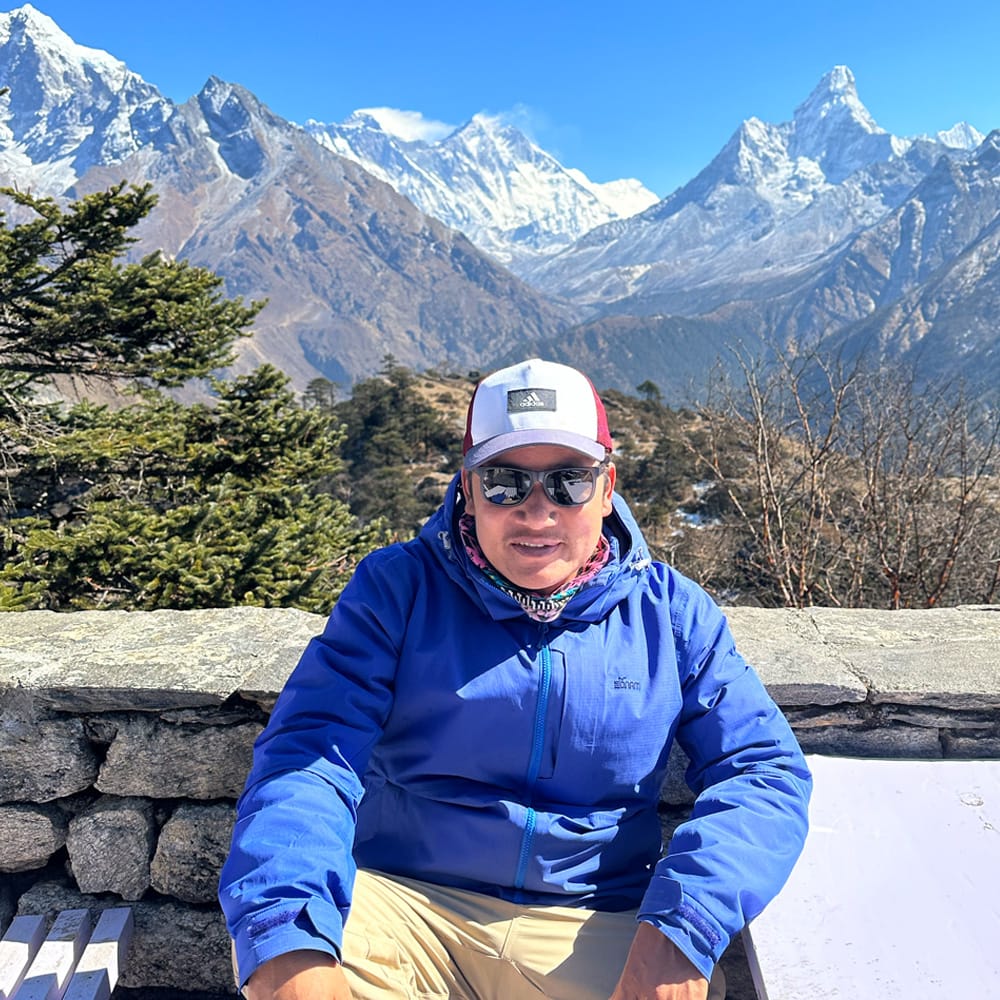


Nepal is a travel and trekking friendly country that welcomes tourists looking for a chance to explore its mountains, diverse landscapes, rich culture, and friendly people. Although there are recent natural disasters affecting certain regions of our nation, we should know that these situations are not uniform across all areas.
Nepal is an area with great variety geographically. Traveling to another area and trekking does not necessarily mean stopping for travel within this country. Several tourist spots and trekking areas are still open to tourists whereas some affected regions are undergoing evaluation, rehabilitation and rebuilding.
To plan your trip to Nepal, know where you are going; check current conditions there; and travel safely.
Nepal Is Open for Travel and Trekking
Nepal is an attractive place for tourists to visit mountains, culture, wildlife, lakes, villages and trekking activities from various parts of the country.
Nepal has much more to offer than just trekking; it’s a place with beautiful landscapes like Kathmandu and Annapurna.
Flooding and landslides issues at some locations within Rasuwa are likely to cause concerns for tourists. Langtang is one of the major trekking destinations of Rasuwa.
However, problems at a particular location are not comparable to those throughout an entire nation. Other popular destinations, including many areas around Pokhara, Annapurna, Everest, and cultural destinations in the Kathmandu Valley, are separate travel areas with their own local conditions.
It is better for tourists not to base their choices solely upon news articles and twitter posts. Instead, consider a particular path and location that is going to be visited.
What Happened in Rasuwa?
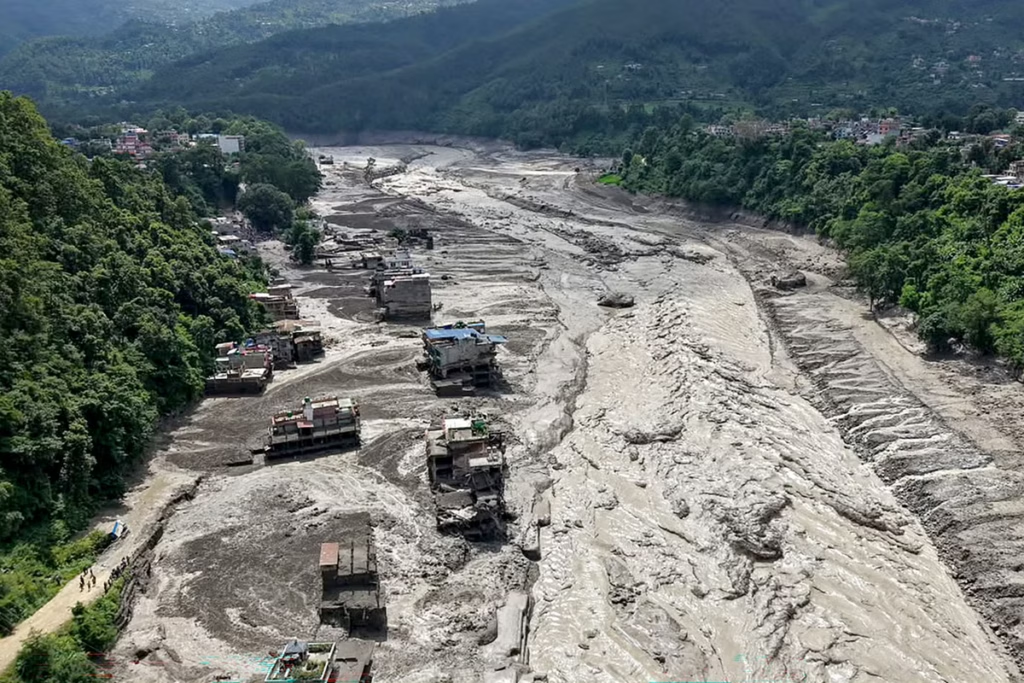
Flooding has affected Rasuwa people and their environment with problems like transportation issues, infrastructure problems and tourism issues at various places.
Trails can be affected by natural disasters rapidly. The roads might be hard to navigate; bridges may need repairs; some trekking paths need fixing prior to being available for tourists.
Therefore, tourists planning on visiting Langtang, Gosaikunda, or other places in this region must get current news before embarking on their trip.
Rasuwa’s problem needs to be addressed independently of Nepal’s tourism industry as a whole.
Nepal has a big area and many trekking places. Some locations are situated at great distances from these areas where they can operate as usual if circumstances allow.
Nepal Has Many Trekking Regions to Explore
One of the biggest advantages of trekking in Nepal is the variety of destinations available.
If one route is temporarily affected by weather or infrastructure problems, travelers may have other trekking options depending on current conditions.
1. Annapurna Region
Annapurna is a popular trekking destination for Nepalese tourists. Annapurna Base Camp Trek, Annapurna Circuit, and shorter treks to this area provide varied experiences to various types of trekkers.
Landscapes vary greatly while traveling around this area, from lush green hillsides and traditional villages to majestic mountains.
Before traveling travelers must also look out for climatic conditions of their destination; road safety issues; transport facilities availability along with permits needed.
2. Everest Region
Everest is still a popular destination for trekking all over the world.
Everest Base Camp Trek takes you to village life, suspension bridge crossing, Buddhist monastery and beautiful Himalayas.
There are also regional access points and local circumstances that need to be considered by tourists prior to embarking on a hike.
3. Manaslu Region
For travelers looking for a more remote Himalayan experience, the Manaslu Circuit Trek offers dramatic scenery and traditional mountain communities.
Because this is a more restricted trekking region, travelers should pay particular attention to permit requirements and guide regulations.
4. Mustang
The Mustang is much more exotic than most of Nepal’s more environmentally friendly trekking areas.
The arid landscape, unique villages, monasteries and steep cliffs give it an entirely different feel compared to that of the lower Himalayan foothills.
Nepal is a great place to visit if you want more than just trekking experiences there.
5. Other Himalayan and Hill Destinations
Nepal has many additional destinations for hiking, sightseeing, cultural travel, and outdoor activities.
Shorter hikes around Kathmandu and Pokhara can also be suitable for travelers who do not want to undertake a long high-altitude trek.
The right destination depends on weather, accessibility, personal fitness, available time, and current local conditions.
Is It Safe to Travel Around Nepal?
Safety should always come first when traveling, especially after a natural disaster.
However, safety should be evaluated destination by destination, rather than treating the entire country as one location.
Before traveling, check:
- Current road and transportation conditions
- Weather forecasts
- Trail conditions
- Local authority updates
- Trekking permit requirements
- Accommodation availability
- Advice from experienced local trekking agencies
- Any temporary route closures
If a particular trail has been damaged or declared unsafe, do not attempt to use it simply because it appeared on an older itinerary.
Being flexible is one of the most important parts of responsible adventure travel.
Travelers Should Stay Updated Before Their Trek
The weather is unpredictable on mountains. A route that was good several weeks ago might be different now due to floods, landslides, etc.
That’s because it’s better to check out news just prior to leaving than to rely upon an outdated blog entry and video from facebook.
Tourists may contact trekking companies, guides, hotels and tourism offices for information about their destination.
A local expert might know about trail changes, transportation issues, temporary closures, or alternative routes that are not immediately obvious online.
Nepal’s Tourism Industry Continues to Welcome Travelers
Tourism plays a vital role to many people living with us here in Nepal.
Hotels, restaurants, guides, porters, transportation companies, trekking agencies, shops, and local businesses all benefit from tourists.
Travelers who go to places where it is safe and accessible can help support the locals’ economy directly.
Tourism is more important for responsible travel when things go wrong. Tourists could help their community through staying with locals, hiring professional guides and porters if needed; eating out of restaurants that serve locals’ food; buying goods from local businesses.
Travel isn’t all about stopping completely if there is a problem with any given region. Travelers should be able to choose wisely on what places they want to visit, and how much time they will spend there.
What Travelers Should Know Before Visiting Nepal
If you are planning a trip to Nepal, preparation can make your experience much smoother.
Check Your Specific Destination
Do not simply search for “Is Nepal safe?” Look for information about the exact destination, trekking route, road, and region you intend to visit.
Conditions can vary significantly between locations.
Keep Your Itinerary Flexible
A flexible itinerary gives you options if weather or transportation causes delays.
Adding an extra day or two to your schedule can be helpful, especially for trekking trips.
Choose Experienced Local Support
A reliable local trekking company or guide can help you understand current trail conditions and make practical decisions during your journey.
Follow Local Advice
If authorities, guides, or local communities advise travelers to avoid a particular route, take that advice seriously.
Mountain travel requires respect for nature and local knowledge.
Prepare for Changing Weather
Weather in the Himalayas can change quickly. Pack according to your trekking region and season, and make sure you have appropriate clothing and equipment.
Why Travel to Nepal Now?
More than just a beautiful range of mountains, Nepal has much more to offer.
Here a traveler might visit a temple, monastery, festival; village, nature; food and culture.
Spend a day exploring Kathmandu’s historic streets then walk around an idyllic village on top of a hill.
Diversity is a strength of Nepal.
The country offers trekkers with various options such as easy walks and strenuous climbs at great heights. It means that there is no one definition for a “Nepal trek”.
No matter whether it’s your first time trekking through the Himalayas, then you will find places which suit your needs and level of expertise.
Responsible Travel Matters
Going for travel from Nepal due to natural calamity needs some extra care.
Do not exploit sick people for tourism purposes. Respect privacy while photographing people and buildings (including damaged ones) and construction sites.
Adhere to local regulations, do not enter restricted zones.
Also, you can help your community through spending your money on local businesses and choosing tourism services that contribute to their economy.
Travelers’ small choices have an impact on tourism dependent communities.
Plan Your Nepal Adventure With Confidence
Nepal is Travel and Trekking friendly but responsible planning is more important now than ever.
Rasuwa’s floods are causing real problems for people living there, so tourists must take this risk seriously. However, at least equally important to assume that all destinations of Nepal are affected.
The tourism industry of Nepal is much bigger than one district and trekking route.
Plan your hike by identifying where you want to go; check current weather reports; ensure transportation is available; and consult with experts if necessary.
If you want to travel to a place where it’s safe and accessible then yes traveling will help you explore Nepal’s culture and economy by supporting its citizens and entrepreneurs who make this possible for others.
Conclusion
Nepal is still offering a fantastic mix of nature, culture, adventure, and hospitality.
Natural disasters remind us of how to prepare for visiting the Himalayas with some flexibility.
However, they do not mean that all countries are closed for tourists.
Nepal is a Travel and Trekking friendly country where tourists are welcome to explore various regions of it with proper planning.
Before starting, check out current circumstances on this particular path and be flexible enough to change things if needed.
By planning wisely with consideration of local people’s needs and up-to-date travel news, you will have an enjoyable trip to Nepal.