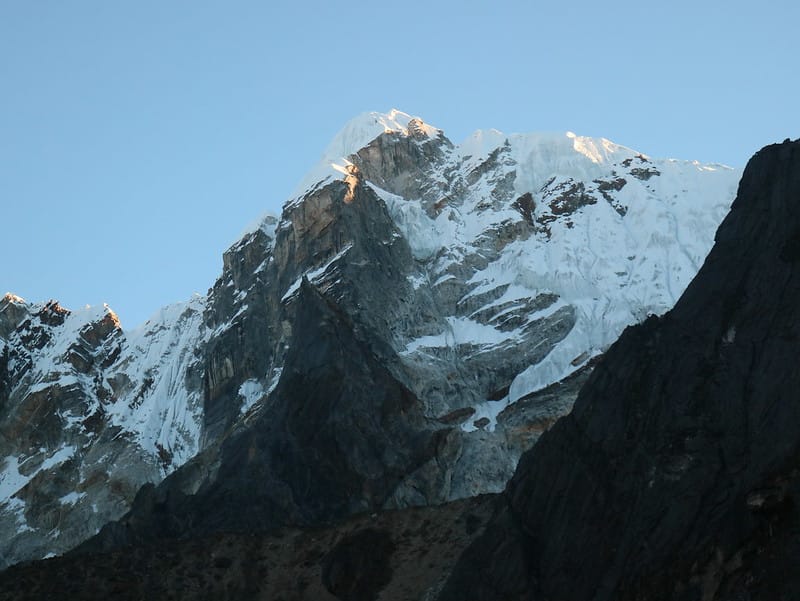
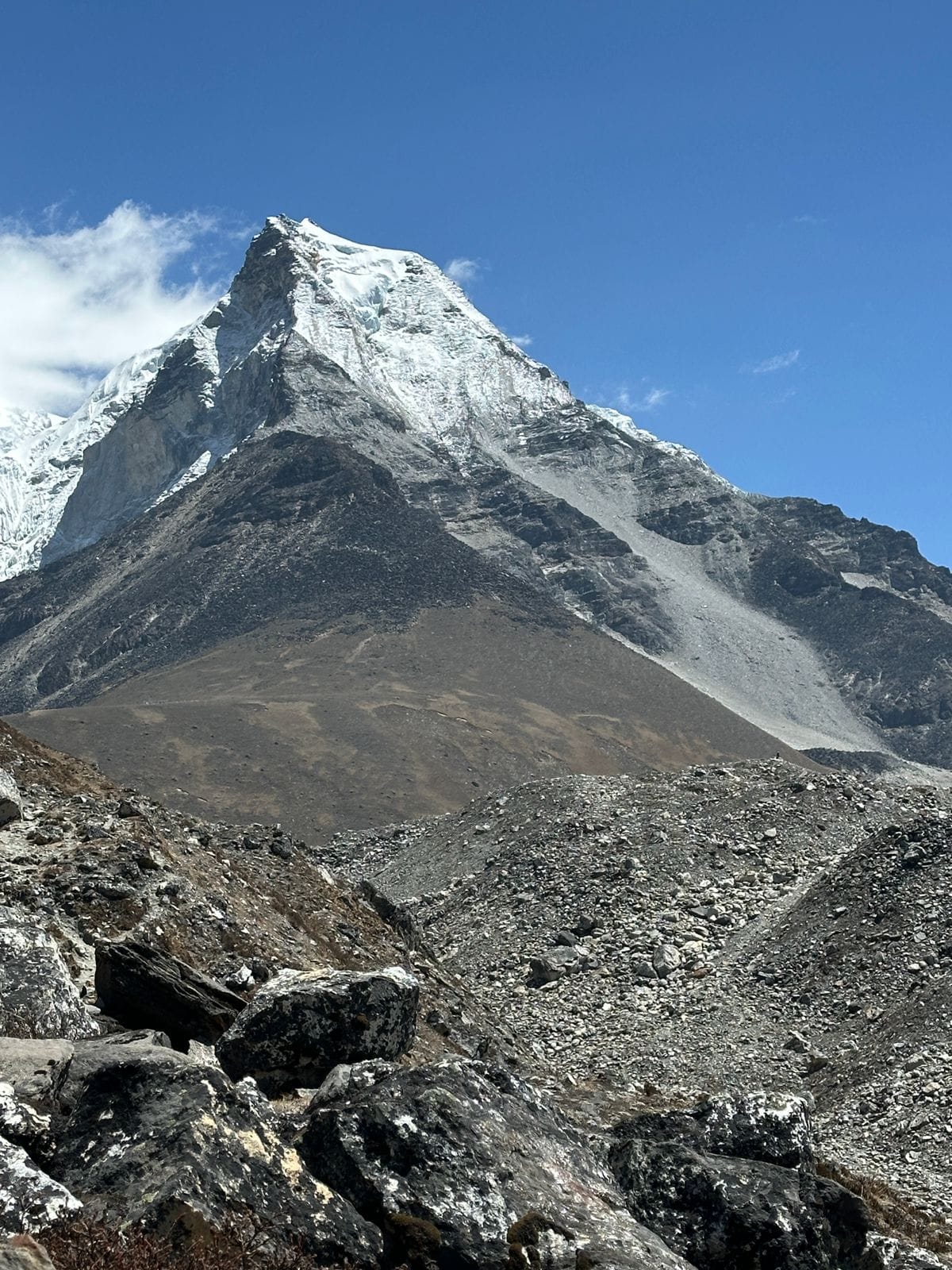
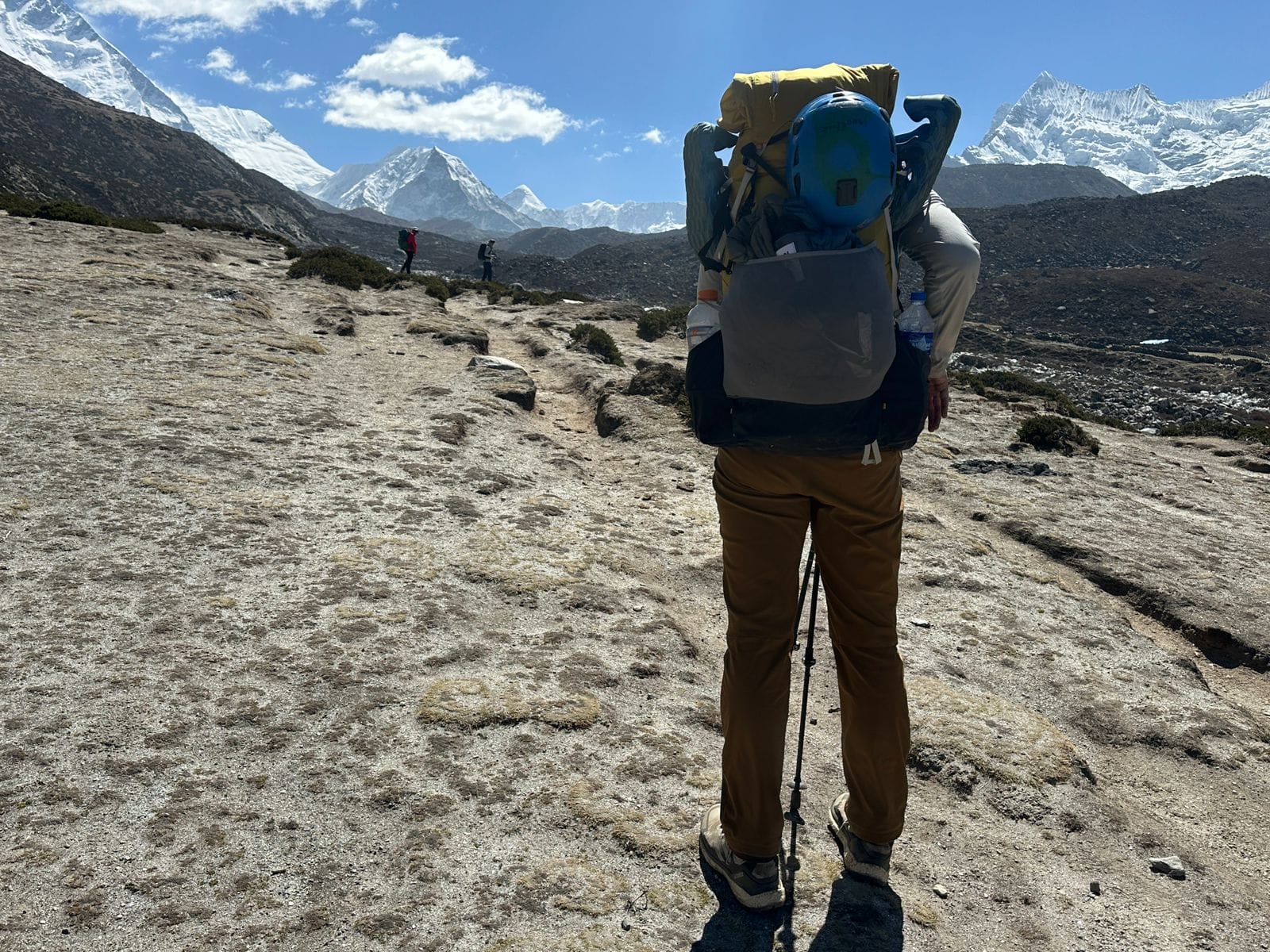
Have you ever dreamt of conquering a towering snow – capped mountain? Not everyone can fulfill this desire! Climbing tall mountains require lots of training, perseverance, money, and fitness. Scaling mountains above 7000 m is a daunting task! Fortunately, there are trekking peaks below 7000 m height in Nepal. These mountains are called trekking peaks. Now, it is possible to stand tall on top of Snowy Mountains of Nepal. We present you the best Island Peak Climbing package. Climb the mountain located in an abode of the world’s tallest mountains like Everest and Lhotse.
Hello travelers from across the globe! The Hikers Himalaya is pleased to announce that the Island Peak Climbing itinerary is prepared by the expert Sherpa Climbing guides. In fact, our climbing guides are Everest Summiteers and they are from Khumbu region. Local knowledge and experiences ensure high success rate and better safety. Therefore, we have almost cent percentage of success rate with zero fatalities.
Careful planning before the climb and meticulous guiding from base camp to summit means we care our climbers. Fortunately, we give you the itinerary that you ever imagine from trek to climb.

Do you know that the Island Peak (6189 m) is the perfect training peak before Everest expedition? Yes, lots of experienced climbing Sherpa guides and climbers approve the fact that the mountain is an ideal training ground. If you are trying to climb higher mountains like Everest, you can start the training phase in Island peak. The technical difficulty, crevasses, and narrow ridges are perfect place to ensure you gain valuable experiences.
Note down that climbing mountains above 7000 m is called expedition and below is called peak climbing. In fact, trekking peaks are under the Nepal Mountaineering Association (NMA) and the organization handles permits as well as support.
So, is the peak suitable for those climbers who vie to do expedition? No, it is suitable for all kinds of climbers. Beginner climbers can climb the mountain even without any kinds of official mountaineering training. If you have dream of climbing the mountain but don’t have any experiences, then choose the peak. It is our promise to you all that your first trip to the summit of snow – capped mountain will be materialized brilliantly.
Comparatively, the Island Peak Climbing is difficult than most of the trekking peaks of Nepal. For example, Lobuche Peak climbing, Yala Peak climbing, and Mera Peak climbing are far easier than Island Peak climbing. Please note that easier doesn’t mean like a stroll in a park. Mera Peak (6476 m) is the highest trekking peak of Nepal but it is easier to climb than the Island Peak (6189 m). Build up the physical fitness level and strong cardio – vascular abilities before climbing the peak. Push from Sherpa guide and your own perseverance will be enough to conquer Island peak (6189 m).
The addition of the Everest Base Camp Trek before climbing Island Peak is an ideal scenario. The major concern alongside the fitness requirement is the risk of altitude sickness. If you reach the Everest Base Camp (5364 m), your body starts to adjust to the demands of higher elevation place. Moreover, you will also do the Kalapathar Hill (5545 m) hike. After reaching such altitude, the stay in the Island Peak Base Camp becomes easier. The threat of altitude sickness decreases significantly if you add the Everest Base Camp Trek before climbing the peak.
Short climbing training class happens in the Island Peak Base Camp before climbing the mountain. Climbers get lessons about rope handling, ice – axe handling, oxygen intake, and other basic skills needed to climb the mountain. Similarly, climbers also get lessons of walking in a ladder over crevasses. The difficult part is to learn walking in a ladder. Furthermore, climbers also get used to walking with crampons and climbing gear on! Therefore, time you spend in the Island Peak Base Camp (5100 m) is crucial for a successful climbing.
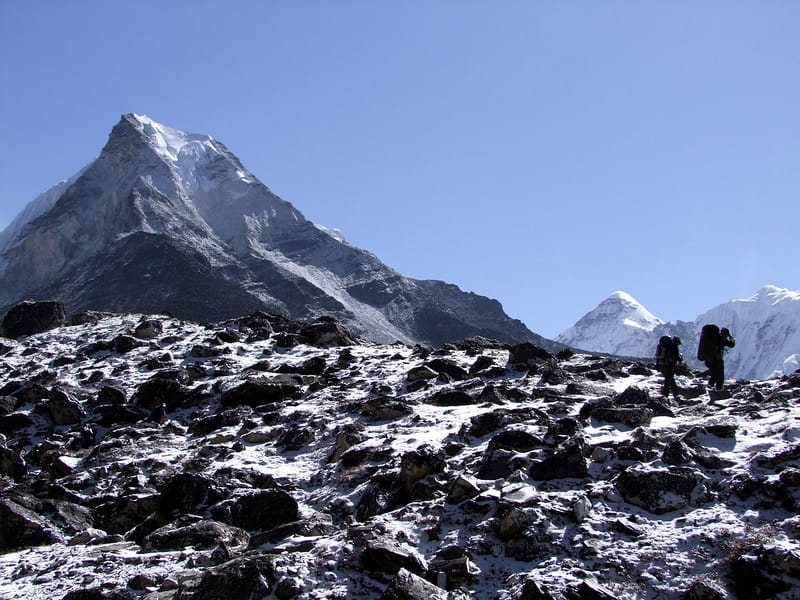
The reason that makes the Island Peak Climbing a perfect training activity is the climbing route to the Island Peak summit. The route is full of boulders along the rugged terrain in the first phase. There are few crevasses as well. The global warming is also taking a toll in this mountain climbing route as well. Glacier walking is the hardest part. Once you start to climb the ridgeline, you need rope support the most. The vertical and narrow ridge line is hard to navigate but adventurous at the same time.
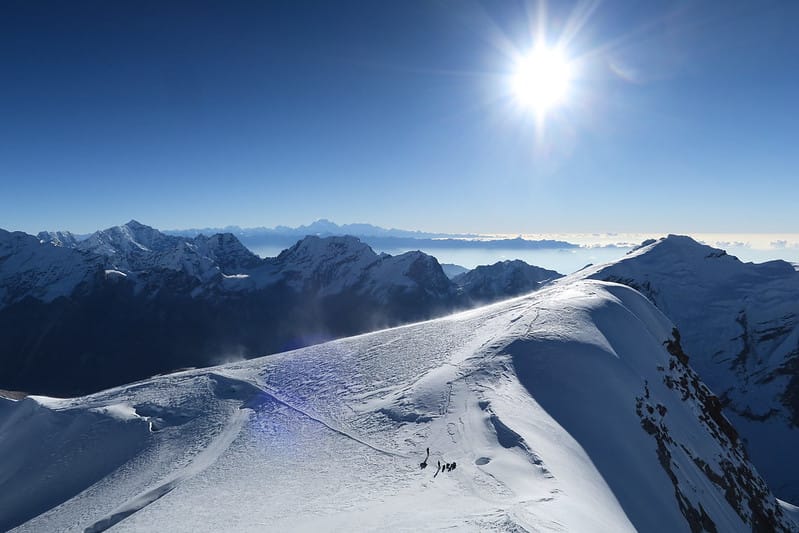
Once you are on top of the mountain, you will feel as if the world around is dwarf. Relish the sight of mountains like Lhotse and as far as Makalu from the top. Unfortunately, you can’t see Mt. Everest from Island peak summit even if it is just 10 kilometers apart. The large Lhotse Shar blocks the view of Mount Everest.
Let’s compare two of the iconic peaks of the Khumbu region near Mount Everest. The itinerary of these two climbing journeys is similar that include the Everest Base Camp Trek and Kalapathar Hike. The difficulty grade of the Island peak climbing is higher than Lobuche Peak. Similarly, the height is also different. Lobuche Peak is about 6119 m whereas the Island Peak is about 6189 m.
Furthermore, the climbing route of Lobuche Peak is far easier than the Island Peak climbing route. The cost is similar. The best part about Lobuche Peak is that the Everest climbers take the Lobuche Peak climbing as acclimatization rotation peak.
The package is divided into two parts, trekking and peak climbing. In fact, climbers can even choose to buy the climbing package only from the Hikers Himalaya. Freedom to our clients allow them to customize the trip according to their preferences. However, we highly recommend you to buy the whole package for safety and better acclimatization. Trek from Lukla to Island peak base camp requires lots of assistance. Therefore, book the Island Peak Climbing package with us and leave all logistic hassles to prepare for successful ascent.
Apart from the tented accommodation in the Island Peak Base Camp (5100 m), climbers can enjoy great facilities of lodging and meals in the trail. The trip is on the Everest Base Camp Trek route. The trail is one of the best commercial trails of Nepal. The options of different tea houses and luxury mountain lodges are available for trekkers. Similarly, you can also get good choices for meals during the trek. Tented accommodation in the Island Peak Base Camp is also cozy considering the altitude. Meals are prepared by Sherpa helpers and cooks before summit push.
Peak climbing permit is issued by Nepal Mountaineering Association (NMA). There are differences in the peak climbing permit cost according to season. Autumn, winter, and monsoon seasons’ Island Peak climbing permit cost is 175 $ per person. Spring season peak climbing costs 350 $ per person.
Nepal Mountaineering Association (NMA) issues official certificate after the successful completion of the Island Peak. Government approved certificate means a lot after adventurous climbing.
Choosing an ideal time to climb the mountain is crucial for success rate. Therefore, we advise you to plan the trip during the months of spring season and autumn season. Among the months of theses two seasons, April is the best time for better experiences and safety. No wonder, the cost of the climbing permit for this season is higher than any other season. Only an experienced climber can climb the mountain during winter season. If you are a novice climber, then it is wise to avoid unfavorable seasons. Handful of expeditions takes place during off season time.
The Hikers Himalaya is one of the responsible agencies based in Nepal. The team of the company comprises Sherpa guides who have summitted Everest countless times. Similarly, the agency has flexible and affordable climbing package rate. Strong team of trekking guides and porters is the pillar of the company’s high trip success rate. Book the Island Peak Climbing in Nepal with us and achieve great things. Tell us your requirements and we will make sure that an itinerary is created according to your liking. It’s not about us but we keep you in the front. With us, you can surely knit a momentous and adventurous journey to the top of 6189 m tall snow – capped mountain of Everest region
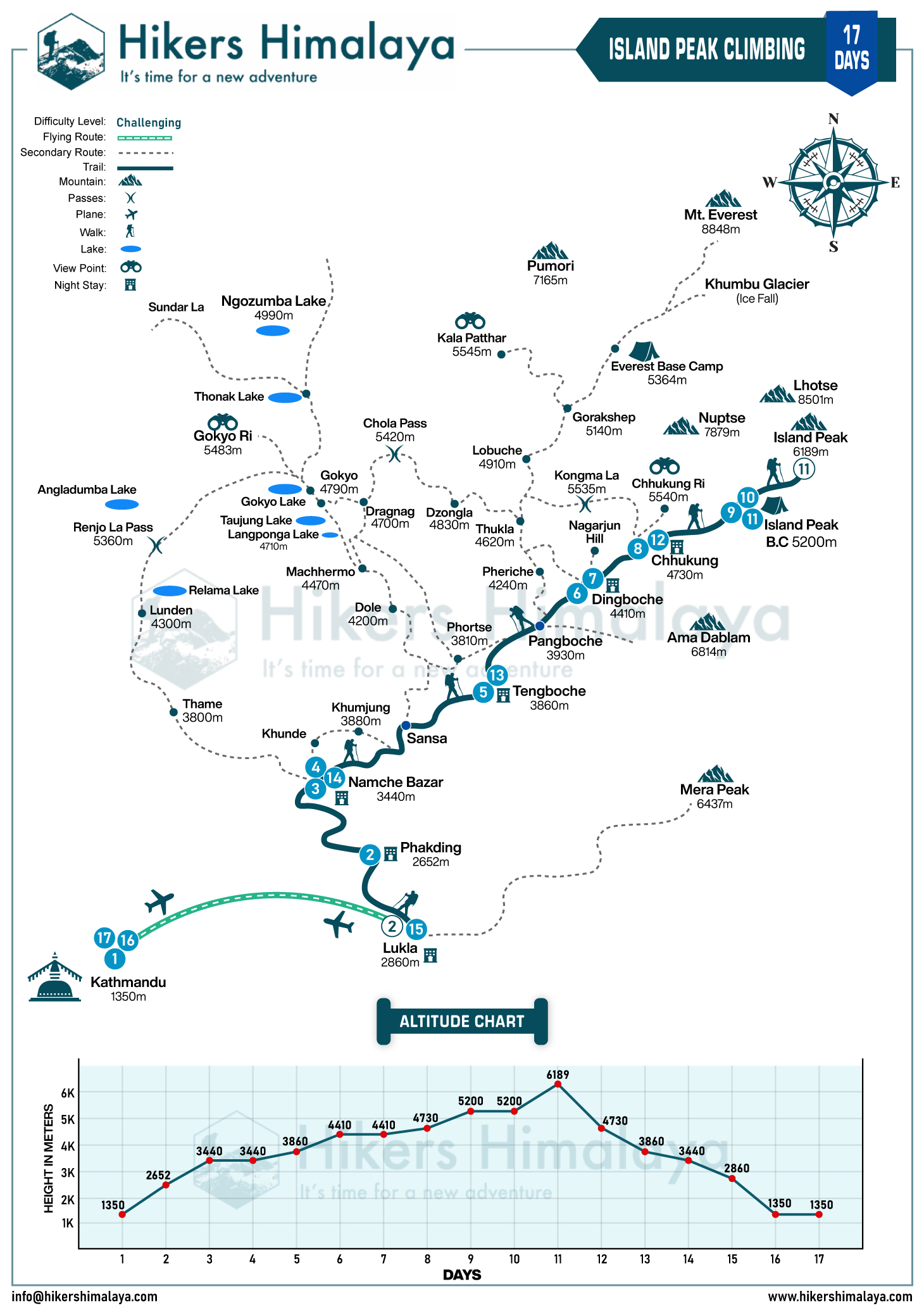
Day 1: Arrival in Kathmandu
Day 2: Fly to Lukla, Trek to Phakding
Day 3: Trek to Namche Bazaar
Day 4: Acclimatization Day in Namche
Day 5: Trek to Tengboche
Day 6: Trek to Dingboche
Day 7: Acclimatization Day in Dingboche
Day 8: Trek to Chhukung
Day 9: Trek to Island Peak Base Camp
Day 10: Acclimatization and Preparation
Day 11: Island Peak Summit Day
Day 12: Trek to Chhukung
Day 13: Trek to Tengboche
Day 14: Trek to Namche Bazaar
Day 15: Trek to Lukla
Day 16: Fly to Kathmandu
Day 17: Departure
Climbing Island Peak involves technical ice and rock climbing skills. The ascent includes crossing crevasses on ladders and climbing a steep Ice Head Wall. Climbers should be in excellent physical condition, well-acclimatized, and familiar with climbing techniques.
You will camp at Island Peak Base Camp for one night and at High Camp for another night. In case of delays, an extra night at High Camp may be required.
Yes, a climbing permit is required for Island Peak. The permit is included in the package cost, and we handle all necessary arrangements.
Essential gear includes mountaineering boots, crampons, an ice axe, and a climbing harness. We provide some climbing equipment, but you should bring appropriate clothing and personal items for the trek and climb.
Solo climbs are possible but typically more expensive. We highly recommend hiring a guide for safety and support. Private trips are flexible but may cost more than joining a fixed group departure.
In case of health issues or emergencies, we will arrange for evacuation and medical assistance. Ensure your insurance covers high-altitude search and rescue. Refunds for unused days are not provided, but we will support your guides and porters for their contracted duration.
Comprehensive travel insurance covering emergency evacuation, injury, and medical treatment is essential. Ensure it includes coverage for high-altitude climbing activities.
If flights are canceled due to weather, we can reschedule or arrange a helicopter flight, which may incur additional costs.
You can stay connected via satellite phones or local SIM cards in major towns along the trek. However, network coverage may be limited in remote areas.
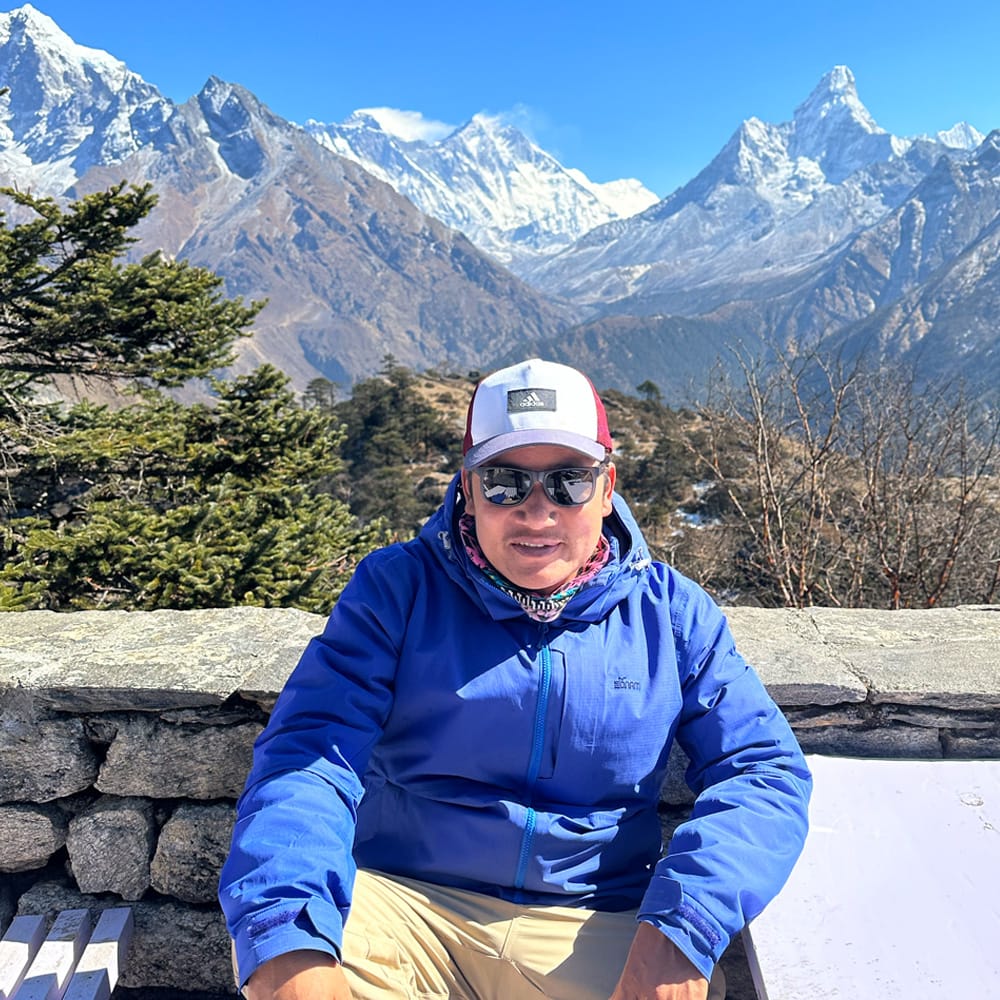
Bibek and his team provided my with such an amazing custom trip. Throughout the trip my every need considered and was met. It was a perfect combination of local knowledge, safety and attention to detail that left walking at elevation the only difficult part of the trip. I could not recommend this outfitter more.