Are you looking for a holiday destination that seems like a fairyland? If yes, then look no further than the most scenic place in the Everest region of Nepal. The travel planners of the Hikers Himalaya are so happy to share this amazing trekking itinerary of the Gokyo Valley Trek in Nepal. There are many iconic and epic trekking routes in the Everest region of Nepal. From the Everest Base Camp Trek route to the challenging Everest Three High Passes Trek, the region is blessed by the majestic Mother Nature for diverse walking adventures. Tranquility lovers and landscape photography destination seekers’ ideal destination in the Everest region is obviously the Gokyo Valley.
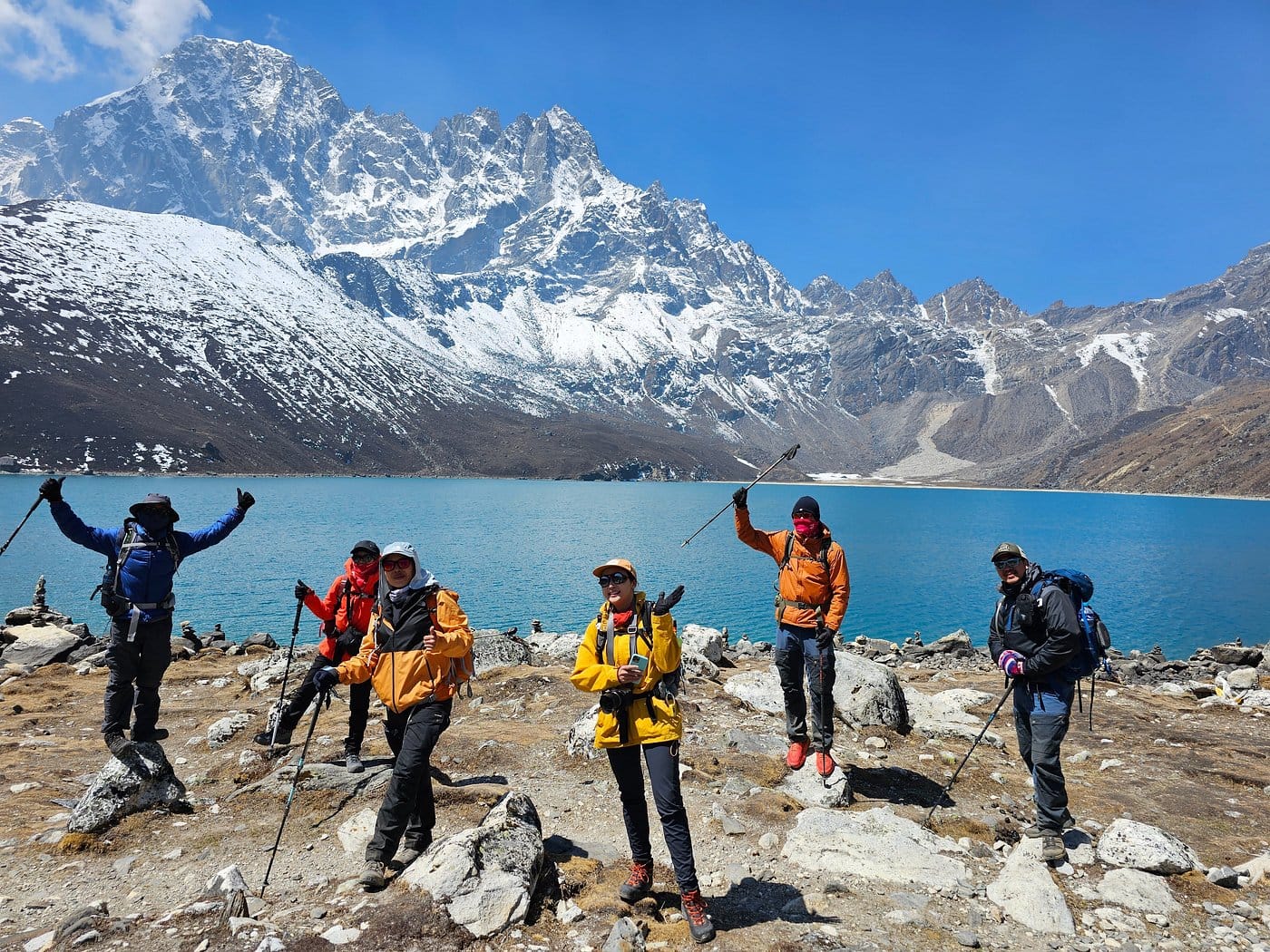
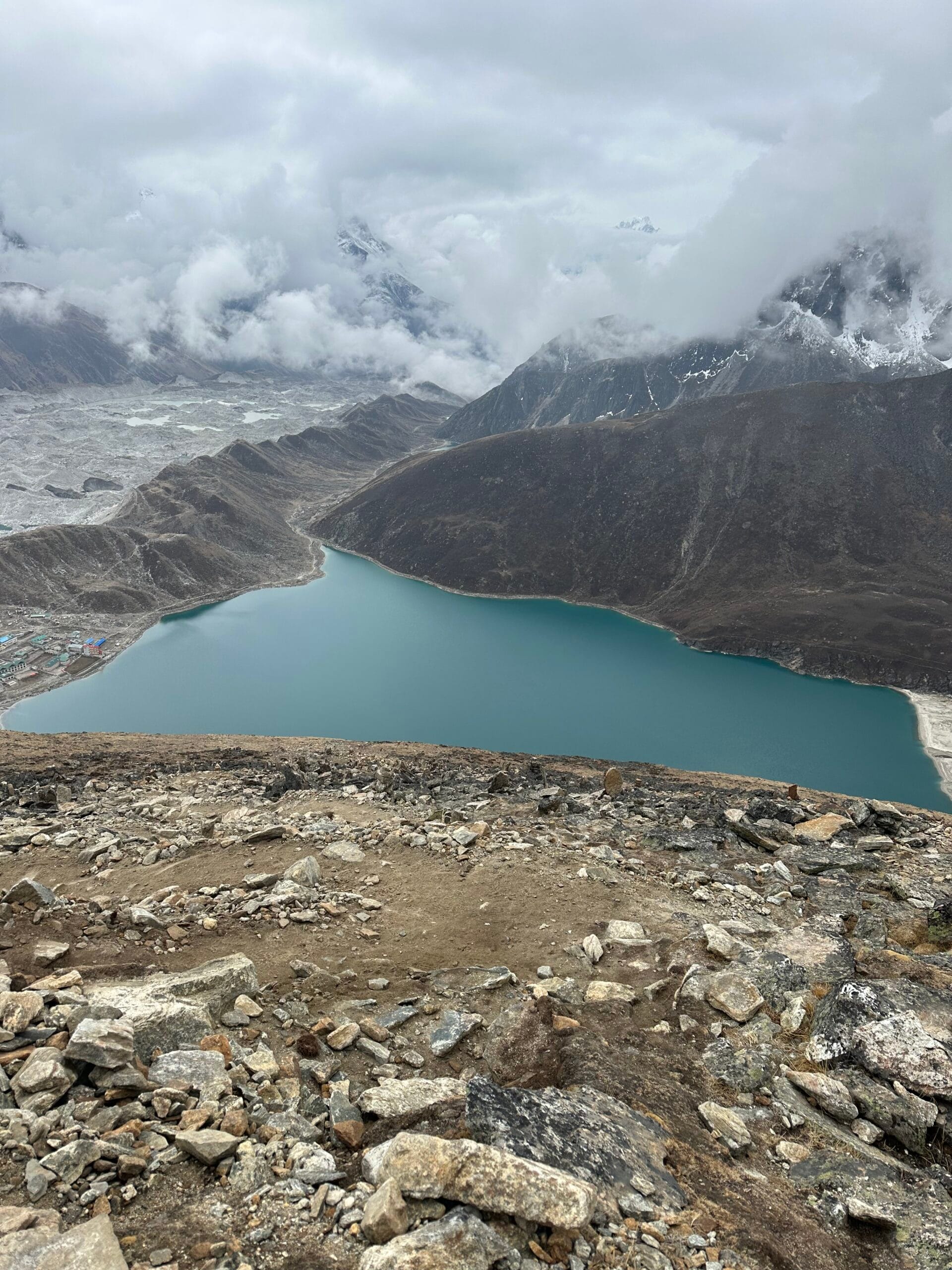
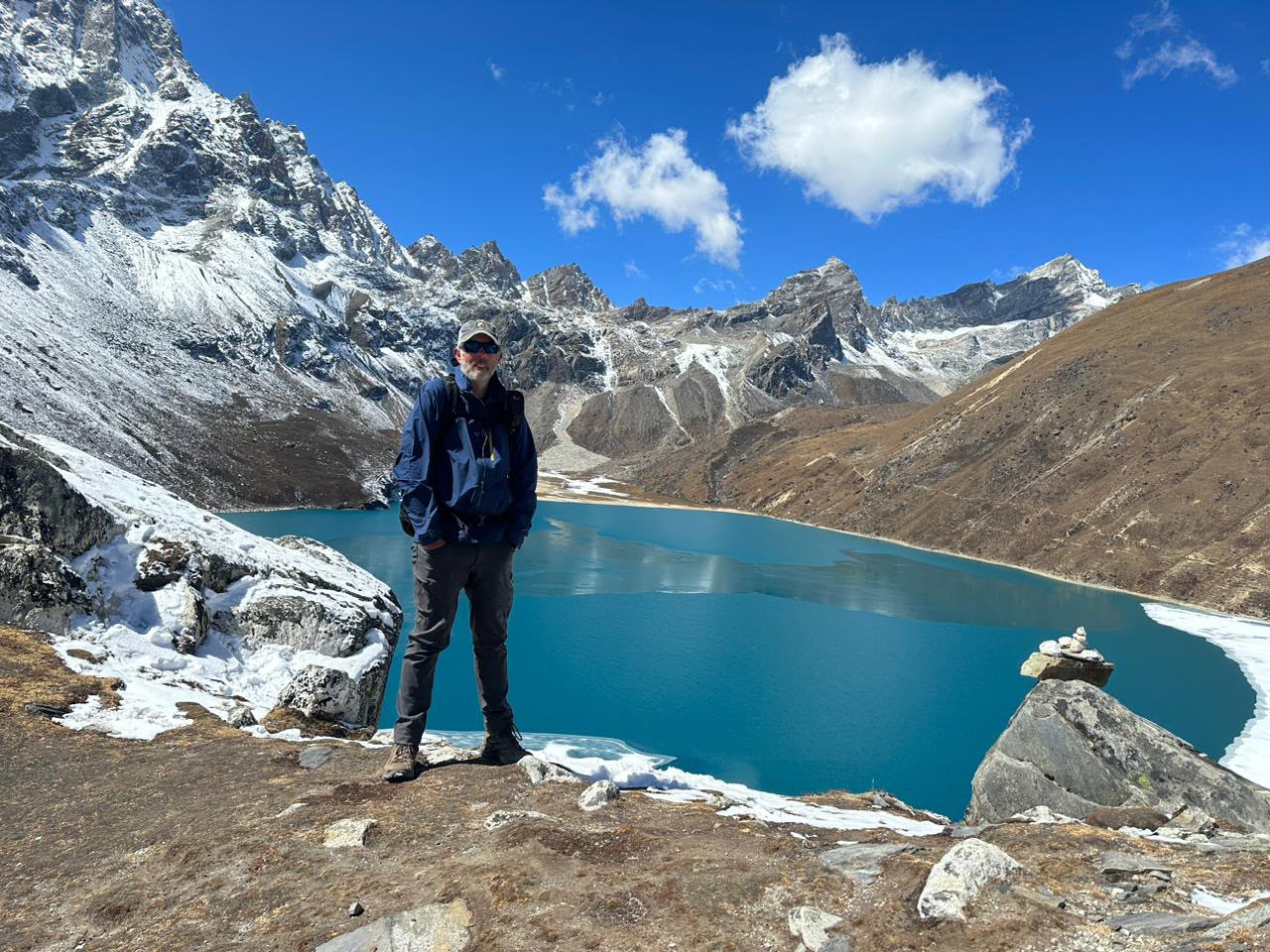
Book a reasonably priced trekking package of the Gokyo Valley Trek. Embark on the marvelous walking journey to the realm of the blue turquoise lake surrounded by snowy mountains and the Himalayas’ longest glacier. A small hamlet on the shores of the blue turquoise lake on the foothills of the gigantic hill is the scene that you rarely see in the arts depicting fairyland. Therefore, some travelers refer to the Gokyo Valley Trek as the fairyland trekking in Everest.
There are more than 19 lakes scattered all over the valley around the Ngozumpa glacier and on the foothills of the Choyou Mountain. However, six mountains are renowned across the globe as the lakes of Gokyo. These lakes are sacred to both Hindus and Buddhists. The presence of the Hindu temple on its shore and the Buddhists chorten symbolizes the great religious harmony of the region.
The 1st Gokyo Lake is the Longponga Cho, and the 2nd Lake is the Taboche Tsho or also called the Tanjung Cho. While trekking to Gokyo Valley from Machhermo, the 1st lake welcomes visitors, followed by the 2nd lake. The most important lake in this lake system is the 3rd lake, which is also called Gokyo Cho or Dudh Pokhari.
Finally, the largest and deepest is the 4th lake (Thonak Cho), the 5th lake is the Gyazumpa Cho, and the 6th lake is the Ngozumpa Cho. All these lakes are listed under the Ramsar Conservation Site. The migratory birds from alpine to tundra vegetation make this place important for biodiversity. Moreover, the culture of the Sherpa people, who believe in no harm to the splendors of nature, provides natural protection. Thus, the valley is a natural conservation site for various kinds of flora and fauna.
Please note that Dudh Pokhari and Dudh Kunda are different places, but they are inside the Solukhumbu district of Nepal. Dudh Pokhari is the Gokyo Lake located in the upper Khumbu region, whereas Dudh Kunda is in the Solu area. You can trek to Dudh Kunda during the Pikey Peak Trek or the classical Everest Base Camp Trek. The altitude of Dudh Kunda is about 4500 m, whereas the altitude of Dudh Pokhari (Gokyo Lake) is about 4800 m.
Talk to our travel planners for a more authentic way of doing the Gokyo Valley Trek in Nepal. Our Gokyo Valley Trek itinerary is prepared by the locals in such a way that travelers can feel at ease and avoid any kind of altitude sickness risk while trekking. Moreover, our itinerary also focuses on providing authentic chances to travelers to immerse into the traditions of the Sherpa people, including the diverse landscape. Book the 13-day itinerary of the Gokyo Valley Trek in Nepal at around 1400 $ per person for wholesome trekking experiences.
Avoid the monsoon and winter seasons to do the trek in Gokyo. During this time of the year, the visibility is less, and you may have to endure various natural hassles while trekking. Therefore, the spring season (March to May) and the autumn season (September – November) are best times to do the trek.
If you wish to experience festivals of the Sherpa, then you must choose the festive time. For example, Mani Rimdu festival falls in the autumn season, whereas the Gyalpo Lhosar (Sherpa New Year) falls in the spring season. Dumji is also one of the most important festivals of the Sherpa People. However, it falls in the month of July, which is the monsoon season. The choice is yours!
Yes, there are luxury mountain lodges in the Gokyo Valley. After 2015, the valley underwent significant changes in terms of infrastructure to support tourism. There are more than 3 to 4 lodges in the valley that provide luxury amenities and facilities. Notable resorts of the valley are Fitzroy Inn, Gokyo Namaste Resort, Gokyo Resort, etc.
Nepal is the country of mountains and snowy landscapes, but ironically, there is not enough infrastructure for winter adventure sports activities. The youths and tourism entrepreneurs of the Gokyo Valley organize ice skating on the shores of the Gokyo Lake. Please contact our travel planners to know the exact dates for the ice-skating events.
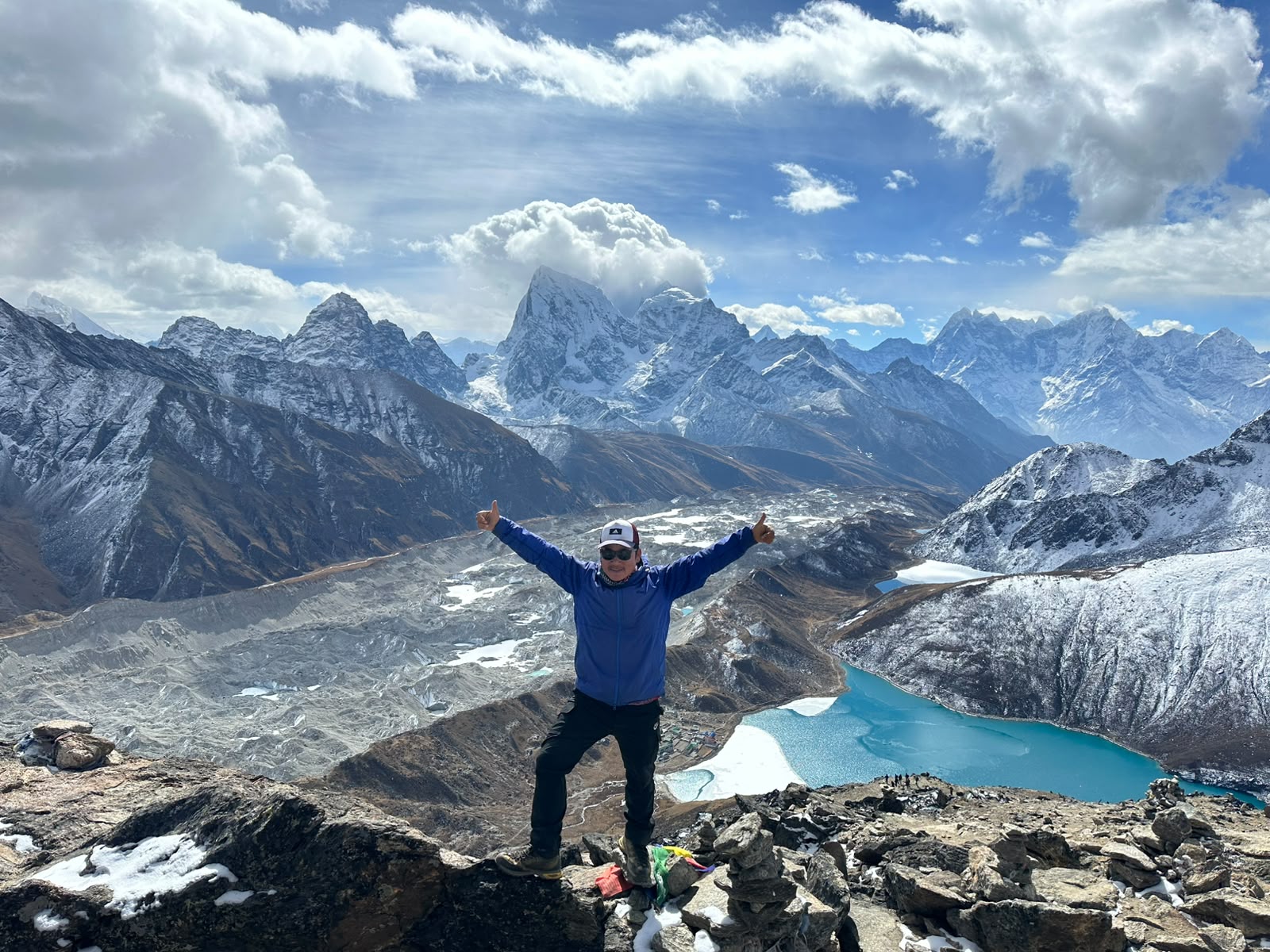
Get the most satisfying alternative view of Everest from the Gokyo region. The regular sight of Everest seen during the Everest Base Camp Trek is completely different from the sight that you can see from the Gokyo Valley Trek. In addition, the Gokyo Ri (5357 m) Hike offers dramatic scenery of mountains like Choyou, Lhotse, Everest, and Makalu, which are the top ten mountains of the world. Moreover, the sunrise or sunset view from the top is so momentous and captivating.
If you wish, you can do various side trips from the Gokyo Valley Trek route.
Book the journey of the Gokyo Valley Trek in Nepal with the team of Hikers Himalaya. We ensure you the best hospitality and authentic itinerary, including correct travel counseling for trekking and tours in Nepal. So, feel free to contact our travel planners if you have any queries about traveling in Nepal. Our travel planners are 24/7 online for your assistance. You can either email us or contact us on WhatsApp at +9779742499496.
Day 01: Arrival in Kathmandu
Day 02: Flight to Lukla (2,860m); Trek to Phakding (2,610m)
Day 03: Trek to Namche Bazaar (3,440m)
Day 04: Acclimatization in Namche Bazaar; Day Hike to Everest View Hotel (3,880m)
Day 05: Trek to Dole (4,038m)
Day 06: Trek to Machhermo (4,470m)
Day 07: Trek to Gokyo Valley (4,700m); Explore Gokyo Fifth Lake
Day 08: Hike to Gokyo Ri (5,357m); Trek to Dole (4,038m)
Day 09: Trek to Namche Bazaar (3,440m)
Day 10: Trek to Lukla (2,860m)
Day 11: Flight to Kathmandu
Day 12: Departure from Kathmandu