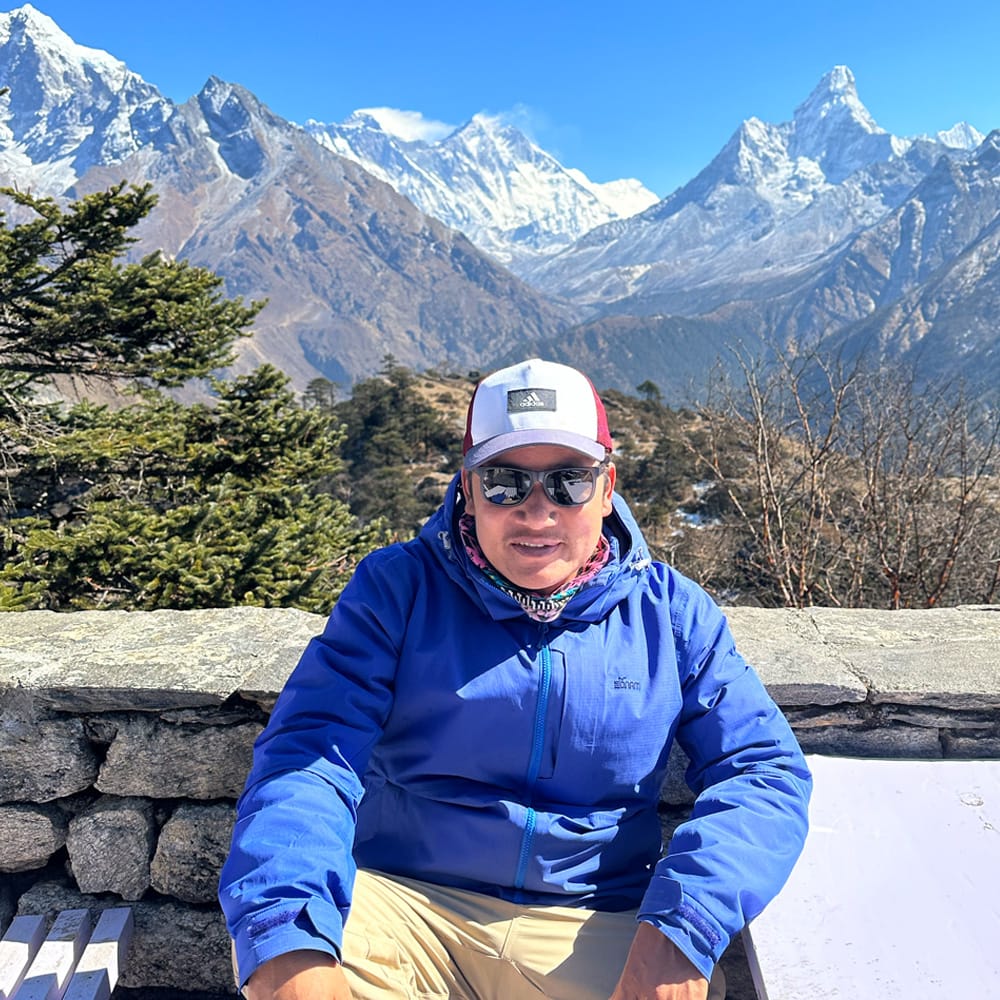

The Cost to Trek in Nepal greatly varies depending upon the trekker’s preferred route, days of trek, style of trekking, season of trekking, modes of transport, and whether or not trekking with a guide and/or porter(s). For a short easy going trek one can easily spend $500 or less for a fully packaged trek while longer, more remote treks can cost $5,000+ for a fully packaged trek.
Nepal offers many different kinds of trekking to suit different budgets. The basic option is to stay in simple teahouses along the way and eat local meals. Most trekkers share vehicles and jeeps too, but the option is there to go for private guides, to stay in better hotels and to take domestic flights, and even hire private vehicles for trips along the way.
Having a realistic budget for your trek before arriving in Nepal will help you have a better time on your trekking holiday and avoid any unexpected costs.
How Much Does It Cost to Trek in Nepal in 2027?
For planning purposes, international travelers can use these approximate ranges:
| Trekking style | Estimated cost per person |
| Budget trek | USD 25–45 per day |
| Comfortable independent-style trek | USD 45–75 per day |
| Guided trek | USD 60–120+ per day |
| Luxury/comfort trek | USD 120–250+ per day |
| Remote/restricted-area trek | USD 100–250+ per day |
The costs outlined below are for ‘trekking only’ and exclude costs of international travel, insurance, shopping and major emergencies.
For a 7 days trek we would suggest a planning budget of USD 200–800+ per person for trekking only depending on the trek route and services booked.
A 10-14 day trek will cost $500–$1,500+ per person, depending on a variety of factors including the services of guides and porters, trekking permits and internal transportation.
1. Trekking Permits and Entry Fees
A permit is among those initial costs that need to be included while planning a trip to nepal trekking.
It is dependent upon how it fares. Some popular trekking areas may need to pay for entering a national park and others require separate permits for trekking within them.
For example, the Nepal Tourism Board currently lists the foreigner entry fee for Annapurna Conservation Area at NPR 3,000 and Sagarmatha National Park at NPR 3,000. Langtangang National Park is also listed at NPR 3,000 for foreign visitors.
Restricted areas are often much costlier. CurrentBYU currently lists various fees for areas such as Upper Mustang, Upper Dolpa, Manaslu and other restricted areas, with some permits charged by the week or by the number of days.
Since taxes on tourism tours vary from year to year, please consult with the Nepal Tourism Board for your 2027 trip.
TIMS Card
TIMS (The Trekkers’ Information Management System) is also one more cost to consider.
According to Nepal Tourism Board, trekkers must know if they require a TIMS card and a guide for trekking in Nepal.
Fees and regulations may vary depending upon nationality of a hiker, type of trekking tour.
Therefore, confirm the current 2027 requirement with a registered trekking agency or the Nepal Tourism Board before departure.
2. Accommodation Costs
Accommodation tends to be easier to estimate than other costs.
Most popular trekking routes have teahouses and lodges. According to Nepal Tourism Board, most of the popular trekking trails have hotels and tea houses whereas camping might be required for some remote locations.
For budget planning in 2027, you might allow approximately.
- Basic teahouse room USD 5-15 per night.
- Comfortable lodge USD 15-30+ per night.
- Higher-end mountain lodging USD 30-100+ where available.
The prices are not constant all over Nepal. A room in a lower altitude village might be much cheaper than staying at an expensive high altitude tourist spot.
Also, some teahouses might earn more money through food and drinks rather than just rooms. A cheap room does not mean that all of your costs for a day are going to be low.
At peak times of trekking season, lodging may be overcrowded. The Nepal Tourism Board advises booking your lodging ahead of time for peak season.
3. Food and Drinking Water
Food may be one of those things that account for a big chunk of your hiking costs.
A simple breakfast could be porridge, eggs, Tibetan bread and pancakes. Lunch and dinner usually contain dal bhat, noodles, pasta, rice dishes, soup or other teahouse meals.
A practical 2027 planning estimate is around.
USD 15-30 per person per day for food and basic drinks.
Remote and high altitude areas are often more expensive as they have to transport their food over rough terrain.
Dal bhat is great to eat on a tight budget as it’s filling and easy to get.
Also, you need to have a drinking water budget. Depending upon your choice, you can purchase bottled water, refill it from teahouses and use an appropriate water treatment method.
4. Guide Costs
The guide may increase your trekking expenses considerably, however it will help you to have a better experience while going on a hike through nepalese mountains.
For 2027 planning, a private trekking guide might cost approximately.
USD 25-40+ per day, depending on experience, route, season, group size and services included.
The actual price may be more expensive for difficult, technical or remote routes.
Guides are helpful for directions, contacting tea house owners; getting information about a place; logistics problems and emergencies.
The current data from Nepal Tourism Board is also about ensuring that if you choose to take this tour then you need to hire an authorized guide and TIMS with a trekking company.
5. Porter Costs
Don’t want to carry your heavy backpack all day long then hire a porter.
An average estimate of porters’ planning is approximately.
USD 20-30+ per day.
The rate depends on trekking distance, season, workload and whether lodging, meals, insurance and transport are included.
Traveling with a group, sharing porter costs will help you save on expenses.
Please clarify how much baggage a porter is carrying and what is included with this trip prior to beginning your journey.
6. Transportation Costs
Trailhead access and return costs are also a significant component for budgeting purposes.
Cost is highly dependent upon route.
For instance, a trek from Kathmandu might include a bus and jeep whereas trekking to Everest could require flying and alternative land transport.
You could budget roughly:
- Local/public bus USD 5-20.
- Shared jeep: USD 10-40
- Private jeep USD 100-250+ per vehicle.
- Flight domestic is highly variable depending on route, season and airline.
Remote trekking areas may need various types of transport so transportation should also be considered while comparing the total cost of various treks.
7. Trekking Equipment
If you already have trekking gear, this is going to be a small part of your budget.
However, if you start with nothing then equipment may cost you a lot.
Common items include:
- Trekking boots
- Warm layers
- Waterproof jacket
- Trekking trousers
- Backpack
- Sleeping bag
- Trekking poles
- Gloves and hat
- Headlamp
- Water bottle
- Sunglasses
- Personal first-aid supplies
You don’t have to buy all of it ahead of time. There are lots of stores to purchase and rent trekking gear from Kathmandu.
Renting gear is good for an adventurous beginner who wants to start with less money spent on equipment.
8. Travel Insurance
Your travel insurance needs to be considered a necessity for trekking to nepal instead of an optional luxury item.
Your age, nationality, duration of travel and type of coverage and activities matter for pricing.
Before going on an adventure hike, ensure that your trip is covered by this insurance policy for altitude and activities included. Emergency evacuation and medical treatment may be very costly if not covered properly.
Make sure to have insurance details available while traveling with you.
9. Kathmandu and Pokhara Expenses
Your trekking budget should not start and end on the trail.
You might need several nights to rest at Kathmandu prior and post trekking. You might be staying at Pokhara depending upon what you plan to do there.
A budget traveler might spend about.
USD 20-50 per day for accommodation, food and basic local expenses.
A more comfortable traveler can easily spend USD 50-100+ per day.
The good thing about Nepal is it has a lot of hotels and restaurants for every budget.
10. Example Budget for a 10-Day Nepal Trek
Let’s create a simple example for a 10-day trek.
| Expense | Estimated cost |
| Accommodation | USD 80–150 |
| Food and drinks | USD 150–250 |
| Local transportation | USD 50–150 |
| Permits/entry fees | USD 30–80+ |
| Guide | USD 250–400+ |
| Porter | USD 200–300+ |
| Miscellaneous | USD 50–100 |
| Estimated total | USD 810–1,430+ |
It’s just one of these, not an actual package deal. It is based upon route, group size, season and service level.
Traveling without a private guide and porter where allowed, you will save a lot of money. On the contrary to this, remote locations, private transport and luxury services may drive up prices significantly.
11. How to Trek Nepal on a Budget
You do not have to spend a fortune to experience the Himalayas.
Here are some practical ways to reduce the cost to trek in Nepal:
Choose a shorter trek
A seven-day trek will naturally cost less than a three-week expedition.
Popular shorter routes can provide impressive mountain scenery without requiring a huge budget.
Travel in a small group
Sharing guides, porters, jeeps and other services can reduce the per-person cost.
Eat local food
Dal bhat and other local meals are often more economical than imported or Western dishes.
Use local transportation
Public buses and shared jeeps are usually cheaper than private vehicles.
Rent equipment
If you only trek occasionally, renting some equipment can be more economical than buying everything.
Avoid unnecessary luxury
A comfortable teahouse, good food and a reliable guide may be more important than expensive extras.
12. Which Nepal Treks Are More Affordable?

Your route makes a big difference to your final budget.
Some relatively accessible and popular options include:
- Ghorepani Poon Hill Trek
- Langtang Valley Trek
- Annapurna Base Camp Trek
- Mardi Himal Trek
- Everest Base Camp Trek
Longer and more remote routes generally require more money because of transportation, permits, accommodation logistics and guide requirements.
Restricted-area treks such as Upper Mustang, Upper Dolpa and parts of the Manaslu region can have substantially different permit structures. The Nepal Tourism Board publishes the current restricted-area permit schedule.
13 What is not Included in a Typical Trekking Budget.
When calculating the cost to trek in Nepal, remember that a trekking package price may not include everything.
Possible additional expenses include:
- International flights
- Nepal visa
- Travel insurance
- Personal shopping
- Snacks and drinks
- Wi-Fi
- Hot showers
- Charging fees
- Tips
- Equipment purchases
- Accommodation due to delays.
- Extra accommodation caused by delays
- Domestic flights
Always ask for exactly what is included before comparing trekking packages.
A package that seems to be cheaper may not actually be so if you do not include permits, transportation, meals and guides.
A package that looks cheaper may not actually be cheaper if permits, transportation, meals or guide services are excluded.
14. How Much Money Should You Carry?
It is sensible to have sufficient Nepalese rupees to cover your anticipated daily expenses and an emergency fund.
ATMs and cards can be used at Kathmandu, other tourist spots; however, there is a lack of banking facilities for people living on high altitudes.
Carrying some money as backup for your hike would be wise enough then.
Your need is based upon route, and whether you have paid for big costs already.
Conclusion: Plan Your 2027 Nepal Trek Wisely
The cost to trek in Nepal in 2027 will be less dependent upon one fixed price and more on your choices.
Budget travel is quite cheap with basic lodging, local cuisine and public transport. Guided tours are more expensive to do than solo hikes; however, trips outside of your locality and restricted areas may require much higher costs.
A good thing to do for an average hiking trip would be to plan out your costs, food, lodging, transportation, guides, porters, and insurance along with an emergency fund.
Before booking, check the latest permit and TIMS requirements as government fees and trekking regulations can change. Nepal Tourism Board provides latest information on trekking permits, park entry fees and TIMS requirements.
If you want to plan your very first Himalayan trek, Hikers Himalaya is here to assist with comparing trekking routes, understanding itineraries and planning a Nepal trekking trip according to your available time and budget.
A good budget does not mean saving as much as possible. Knowing how much money goes to where it goes, leaving some room for emergencies and having an enjoyable hike.