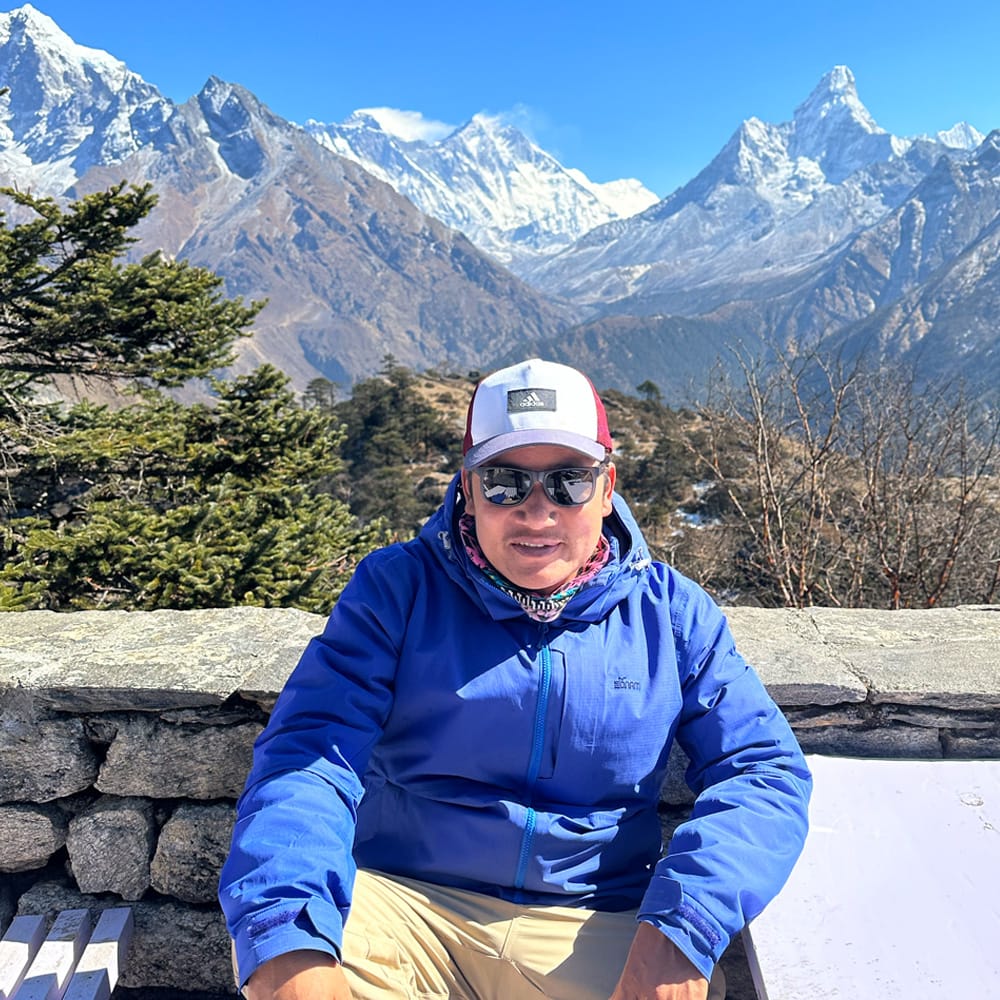

Standing in Kathmandu with your boots laced, looking toward the high Himalayas, you’re faced with one of the most debated questions in adventure travel: Should you trek the legendary Annapurna Circuit or venture into the wild Manaslu Circuit?
For decades, the Annapurna Circuit held the crown as the ultimate long-distance tea house trek in Nepal. But with modern road expansion in the Annapurna region, the quieter, remote trails around Mount Manaslu (8,163m) have surged in popularity.
Both take you over staggering 5,000-meter mountain passes, wind through remote mountain villages, and offer jaw-dropping views of 8,000-meter giants. However, their day-to-day trail experiences could not be more different.
Here is an honest, guide-tested breakdown of how they compare in crowds, difficulty, logistics, culture, and cost.
Quick Comparison at a Glance
| Feature | Annapurna Circuit | Manaslu Circuit |
| Highest Point | Thorong La Pass (5,416m / 17,769ft) | Larkya La Pass (5,106m / 16,752ft) |
| Typical Duration | 12 to 16 Days | 13 to 17 Days |
| Trail Atmosphere | Classic, social, well-developed | Remote, wild, culturally authentic |
| Guide Requirement | Mandatory (since 2023 regulations) | Mandatory (Restricted Area permit rules) |
| Minimum Group Size | Solo allowed (with guide) | Minimum 2 trekkers required by law |
| Road Interference | Moderate on lower sections | Very minimal / Foot trails only |
| Tea House Comfort | Extensive menus, hot showers, Wi-Fi | Cozy, basic mountain hospitality |
1. The Trail Vibe & Crowd Levels
Annapurna Circuit: The Social Classic
If you love mingling with international travelers over hot apple pie and ginger lemon tea after a 6-hour hike, Annapurna delivers. The trails through villages like Manang and Marpha are rich in trekking heritage. However, because it is world-famous, peak autumn (October–November) and spring (March–April) bring busy trails and bustling tea houses.
Manaslu Circuit: The Untamed Frontier
Opened to foreign trekkers in 1991, the Manaslu region sees only a fraction of Annapurna’s foot traffic. The trail follows the roaring Budhi Gandaki River through steep gorges before opening up to broad alpine valleys near Tibet. It feels like stepping back in time- prayer flags flutter over centuries-old stone monasteries, and you often share the trail only with mule caravans and local monks.
The Verdict: If you want solitude, raw wilderness, and untouched tradition, Manaslu wins easily. If you value trail camaraderie and developed amenities, choose Annapurna.
2. Terrain, Scenery, and Mountain Views
Both routes showcase distinct microclimates-starting in sub-tropical rhododendron and pine forests before climbing into rugged alpine landscapes.
- Annapurna: You’ll circle the massive Annapurna massif, catching close-up panoramas of Annapurna II, III, IV, Gangapurna, Dhaulagiri, and the dramatic Tilicho Peak. The arid, Tibetan-plateau landscape of Upper Mustang on the descent is unforgettable.
- Manaslu: Mount Manaslu – the “Mountain of the Spirit” – looms directly overhead. The highlight is approaching Larkya La Pass, flanked by Himlung Himal, Cheo Himal, and Kang Guru, with sprawling glacial lakes glistening below.
3. High Pass Showdown: Thorong La vs. Larkya La
Crossing the high pass is the defining day on both routes.
Thorong La Pass (5,416m / 17,769ft)
- The Challenge: It sits higher than Larkya La, making acute mountain sickness (AMS) management crucial. You typically begin the ascent from Thorong Phedi or High Camp around 4:00 AM under freezing starlight.
- The Descent: A steep, 1,600-meter drop down to the sacred pilgrimage town of Muktinath.
Larkya La Pass (5,106m / 16,752ft)
- The Challenge: While slightly lower, Larkya La involves a longer, more remote crossing across moraines and glacial terrain from Dharmasala. Weather can be unpredictable, requiring steady footing on scree or packed snow.
- The Descent: A steady path leading down to the lush forest meadows of Bimthang.
4. Permits and Legal Requirements
Understanding local permit regulations is essential when planning your journey:
Annapurna Circuit Permits:
- ACAP (Annapurna Conservation Area Permit)
- TIMS Card (Trekkers’ Information Management System)
- Can be booked for a solo trekker accompanied by a licensed guide.
Manaslu Circuit Permits:
- Manaslu Restricted Area Permit (RAP): Priced seasonally ($100/week in autumn, $75/week in other seasons).
- MCAP (Manaslu Conservation Area Permit) & ACAP (as the trail exits into the Annapurna region at Dharapani).
- Strict Government Rule: You must trek with a minimum of two foreign travelers accompanied by a licensed Nepalese guide registered through a certified agency.
5. Accommodation and Food
- Annapurna Tea Houses: Among the most developed in the Himalayas. You will find attached bathrooms in lower villages, varied menus (from pasta and pizza to hearty Dal Bhat), Wi-Fi, and solar hot showers.
- Manaslu Tea Houses: Simple, authentic, and cozy. Dining halls are heated by wood-fired stoves, and meals are fresh and locally prepared. Electricity and Wi-Fi are available in most villages via solar or local hydro, but can be intermittent at higher elevations like Dharmasala.
Summary: Which One Should You Pick?
Choose the Annapurna Circuit if:
- You want flexible start and end points with options for side trips like Tilicho Lake or Poon Hill.
- You are traveling solo or with a partner who prefers hot showers, dependable Wi-Fi, and varied food menus.
- You want a classic Himalayan route with seamless logistics.
Choose the Manaslu Circuit if:
- You want to escape commercialized roads and experience quiet, pristine mountain footpaths.
- You are fascinated by authentic Tibetan-influenced culture, ancient gompas, and untouched villages (Samagaon, Samdo).
- You are trekking with at least one companion and want an adventurous, off-the-beaten-path experience.
Plan Your Himalayan Trek with Hikers Himalaya
Whether you are aiming for the high winds of Thorong La or the remote serenity of Larkya La, having an experienced, government-licensed local team ensures a safe and deeply meaningful adventure.
Explore our curated itineraries:
- 14-Day Annapurna Circuit Trek Itinerary & Prices
- Manaslu Circuit Trek – Complete Guide & Booking
- Langtang Valley Trek – For a shorter mountain getaway
Have questions about gear, altitude acclimatization, or custom departures? Contact Bibek and the Hikers Himalaya team today for free trip advice.